

Toxic mould growth in homes can pose significant health risks and cause damage to property if left unaddressed. In this article, we will explore the dangers of mould growth and emphasise the importance of professional mould removal. It is crucial to note that the information provided is based on available knowledge and should be considered as general guidance. For specific situations, it is advisable to consult with us as professionals experienced in mould removal.
Health Risks Associated with Mould
Toxic mould releases spores (mycotoxins) into the air, which can trigger allergic reactions and respiratory problems in susceptible individuals. Common symptoms of mould exposure include nasal congestion, coughing, wheezing, throat irritation, and eye irritation. Prolonged exposure to mould can lead to more severe health issues, especially for those with pre-existing respiratory conditions or weakened immune systems.
Structural Damage
Toxic mould growth can cause structural damage to homes if left untreated. It feeds on organic materials such as wood, drywall, and insulation, compromising their integrity over time. This can result in weakened structures, including walls, ceilings, and floors, leading to costly repairs and potential safety hazards.
Hidden Mould
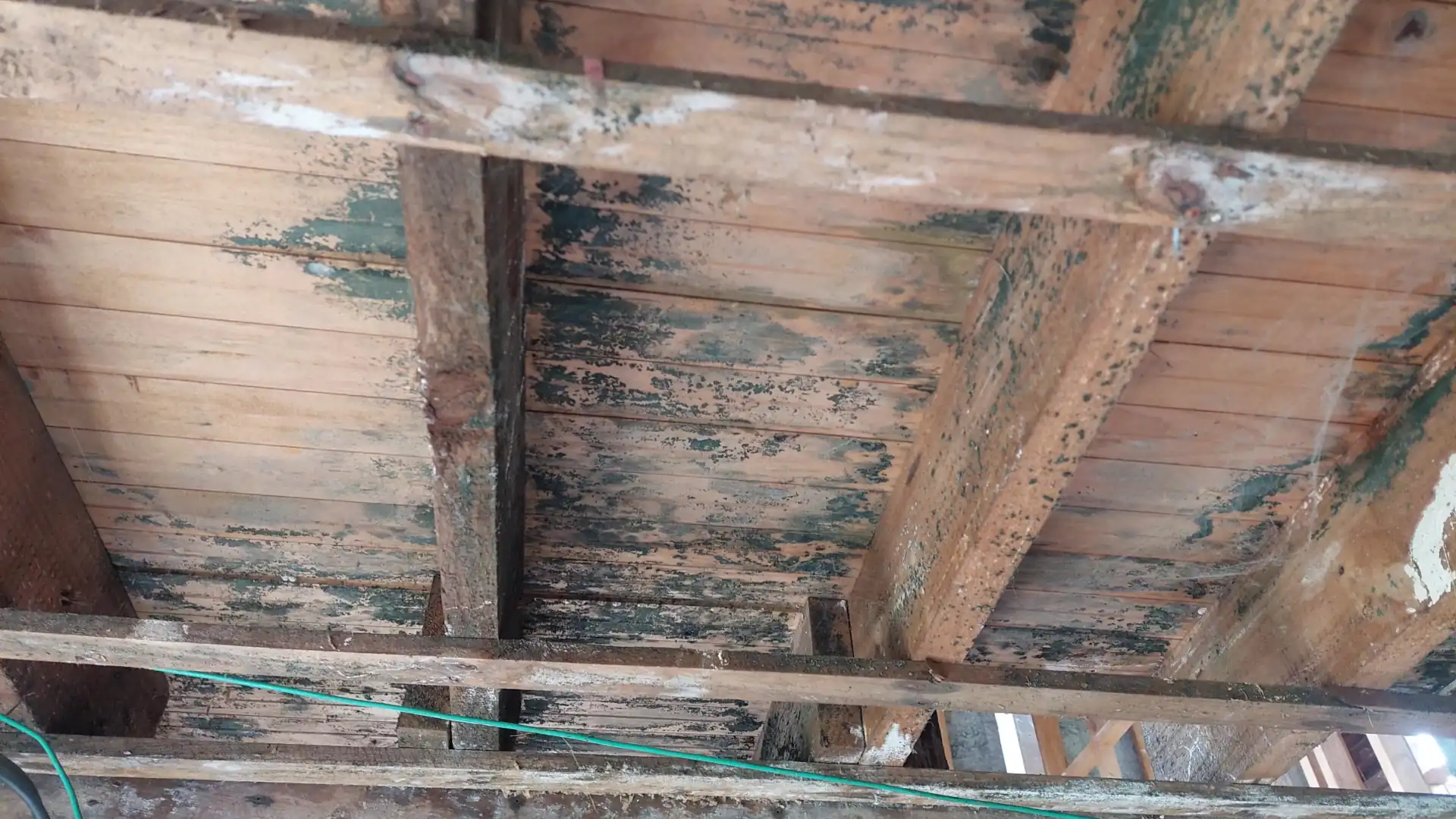
One of the challenges with toxic mould is that it can often go unnoticed, as it can grow in hidden areas such as behind walls, under carpets, or in poorly ventilated spaces. By the time visible signs of mould appear, the problem may have already spread extensively. Regular inspections and professional mould testing can help identify hidden mould growth and prevent further damage.
How to Tell If You Have Mould in Your Home
Not all mould is obvious. Some grows in plain sight on ceilings, window frames, and grout, while other colonies develop out of view behind wall linings or under flooring. Watch for a persistent musty or earthy smell that lingers even after cleaning, dark spotting on walls or ceilings, condensation forming on windows, paint that bubbles or peels, and warped skirting boards or timber. Occupants may also notice worsening allergy symptoms or a scratchy throat that improves when they leave the home. If any of these signs are present, professional testing can confirm what you are dealing with. Our guide to winter damp and mould warning signs covers what to look for during the colder months.
What Causes Mould Growth in New Zealand Homes
Mould needs moisture, warmth, and an organic surface to grow. New Zealand homes are particularly vulnerable because of high humidity and damp winters, especially older building stock that often lacks proper ventilation or insulation. Common triggers include leaking roofs and spouting, plumbing failures inside walls, poor subfloor drainage, condensation from unflued gas heaters, and unrepaired flood damage. Older homes overdue for maintenance such as re-roofing or gutter replacement are especially at risk.
Addressing the underlying moisture source is essential because removing visible mould without fixing the cause leads to regrowth. For an ongoing problem, our professional mould removal team can inspect the property and treat affected areas, with follow-up advice on preventing regrowth.
DIY vs. Professional Mould Removal
While some minor mould issues can be addressed through DIY methods of mould cleaning, it is crucial to understand the limitations. DIY approaches may only address surface mould, leaving underlying issues unresolved. Professional mould removal experts have the knowledge, experience, and specialised equipment to effectively identify and remove mould, ensuring thorough remediation.
NOTE: Bleach has limited applications in the treatment of mould removal; check out our earlier article ‘Can I Use Bleach to Clean Mould?’.
Importance of Professional Mould Remediation
CSS offers professional mould removal, providing several advantages, including:
- Accurate Assessment: Professionals can accurately assess the extent of mould growth and identify the underlying causes, helping prevent future recurrence.
- Safe Removal: Our trained technicians follow industry best practices, utilising proper containment measures and protective equipment to ensure the safety of both occupants and workers.
- Effective Remediation: Our team of professionals employs advanced techniques to remove mould colonies, clean affected areas, and restore the indoor environment to a healthy state.
- Prevention of Cross-Contamination: CSS will take necessary precautions to prevent cross-contamination during the removal process, minimising the risk of mould spreading to unaffected areas.
- Addressing Underlying Issues: Our professional services will include investigating and, where possible, identifying and addressing the underlying moisture or humidity issues that contribute to mould growth, reducing the chances of recurrence.
Frequently Asked Questions About Mould
How quickly can mould grow after water damage?
Mould can begin developing within 24 to 48 hours of surfaces staying wet. Prompt drying and professional assessment after any leak or flood is the most reliable way to stop it from taking hold.
Is black-coloured mould more dangerous than other types?
All mould species have the potential to cause allergic reactions and respiratory issues, and visual identification alone is not a reliable measure of risk. Any mould growth of significant size should be professionally assessed and removed rather than left in place.
Will painting over mould get rid of it?
No, paint does not kill mould. Colonies will continue growing beneath the surface and eventually reappear, so the mould must be properly remediated and the moisture source resolved before repainting.
Acting Early Matters for Mould in Your Home
Mould growth in homes can lead to health problems and structural damage if not addressed promptly and effectively. Professional mould removal is essential to ensure thorough remediation and prevent future issues. If you suspect mould growth in your home, consult with experienced professionals such as CSS who can provide accurate assessments and safe, effective solutions tailored to your specific situation.