Meth & P Decontamination Services
Why choose CSS
What to Expect When You Work With Us
Here’s what you get when you reach out to CSS.
⚡ Fast Response-Times
🎯 100% Success Rate
Our experienced team have been involved in the decontamination of some of the largest P labs in Auckland and over a thousand others nationwide, achieving a 100% success rate.
🏛️ Experience with Council
We have successfully completed methamphetamine decontamination projects for New Zealand councils and other public sector organisations. Working with CSS means a smooth process that leads to lifting Cleansing Orders and council approval.
🏠 Residential, Commercial & Public
From private homes to large commercial properties and government facilities, we handle meth decontamination of all scales across Auckland and the North Island.
📋 Industry Experience
Our remediation process follows the guidelines set out in NZS 8510, New Zealand’s standard for methamphetamine decontamination.
🛡️ Insurance Claims Management
We work directly with insurance companies, documenting all damage thoroughly and keeping all parties informed.
How it works
Our Decontamination Process
Meth contamination can feel overwhelming to deal with – that’s why we make our process as straightforward as possible.
Damage Assessment
We attend your property, carrying out a full on-site consultation. Working alongside your insurance representative, we can provide a complete photographic inventory of all contaminated areas.
Quote
We share a clear, itemised quote with no hidden costs – provided to you and your insurer before work begins.
Decontamination
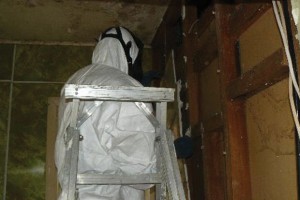
Our team uses proven decontamination methods with industry-standard PPE and containment protocols, cleaning to Ministry of Health standards. We carefully select chemicals to avoid dangerous reactions.
Clearance and Documentation
Independent third-party post-remediation testing verifies that the decontamination has been effective and that the property meets the required clearance level. The client and insurance assessor are informed throughout.
Meth contamination in your property?
Call us for an assessment and clear advice on what your space needs. Call 09 828 1731Submit an EnquiryWhat are the Risks of Meth Contamination?
Meth contamination is caused by the manufacture and use of methamphetamine, aka ‘P’.
For every kilo of methamphetamine manufactured, there is a resultant 7-10 kg of waste, which is either flushed down the domestic sewage system or stormwater drains.
The potential damage to public health and the environment through methamphetamine manufacture is reminiscent of the asbestos problems ongoing since the 1970’s.
While minor, low-level methamphetamine contamination may be suitable for DIY cleaning with appropriate precautions, properties with moderate to high contamination should only be decontaminated by trained professionals. Higher contamination levels can pose significant health risks, require specialised cleaning methods, and may not be effectively removed using household cleaning products.

Our Services
Who We Provide Meth Decontamination For
Residential: We restore homes across Auckland and the North Island. Whether it’s a rental or an investment property, we manage everything for you, including liaising with your insurance assessor.
Real Estate & Property Management: We work closely with real estate agents and property managers to assist with insurance processes – helping you meet your obligations to buyers and tenants.
Government & Council: We have experience working with government departments, Housing New Zealand, and local councils across the North Island to provide compliant meth decontamination services.
Contamination Areas
Where Contamination is Found
Meth contamination spreads well beyond the immediate manufacturing area. Understanding the full extent of contamination is one of the reasons a professional assessment is essential.
☣️ Heavily Contaminated Areas
Closest to the manufacturing process:
- Kitchen
- Bathroom
- Garage
- Laundry
- Grounds & outside drains
- Stove tops
- Cupboards
- Fridges
- Air conditioning
- Waste traps
- Walls & flooring
- Toilets
- Sinks
- Exposed timber
- Glass
- Light fittings
⚠️ Lightly Contaminated Areas
Areas away from the manufacturing process:
- Bedrooms
- Lounge
- Dining Room
- Hallways
🌍 Exterior & Environmental Contamination
For every kilogram of meth produced, 7–10 kg of waste is generated. This travels through drains, into the soil, and potentially into the water table — putting neighbouring properties, pets, and the local environment at risk.
Customer Reviews
Our Testimonials


Customer Questions
Meth & P Lab Decontamination FAQs
Find answers to the most asked questions about meth contamination and P lab clean up.
What are the health risks of meth contamination?
Volatile compounds in a contaminated property can cause short-term eye, skin, and respiratory irritation. Long-term risks for occupants – especially children – are potentially serious. Properties that housed a P lab must not be entered until decontamination is complete.
When is it safe to enter a property after a meth lab has been found?
A property must not be entered until professional decontamination is complete. The risks to anyone who enters prematurely include booby traps, exposure to volatile organic compounds (VOCs), severe health hazards, and cross-contamination of items removed before clearing.
Who is at risk from meth contamination?
Anyone who enters or interacts with a contaminated property before it has been professionally cleared is at risk. This includes real estate agents and property owners, new tenants and future buyers, tradespeople such as plumbers and carpet layers, housing inspectors, in-home healthcare workers, children, and neighbouring residents.
What happens to items left inside a contaminated property?
All items on a contaminated property should be treated as compromised until lab-tested and confirmed clear. Items removed before decontamination, including electrical goods and soft furnishings, pose a health risk to anyone who handles or uses them afterwards, and electronic equipment is particularly difficult to decontaminate.
Who should clean up a meth lab?
Property owners are strongly advised against cleaning a P lab themselves. DIY cleaning will not meet council requirements, meaning the Cleansing Order will remain in force. Without correct PPE, proper containment, and certified chemical selection, you risk serious health hazards, dangerous chemical reactions, and cross-contamination of other areas of the property. Future occupants also remain at risk if the property is not professionally cleared.
What are the legal requirements for meth decontamination in New Zealand?
What are the physical risks of attempting DIY meth decontamination?
The chemical precursors used in meth production are highly volatile and may explode without warning. Some are known carcinogens, meaning correct PPE (proper masks and suits, not hardware store alternatives) is essential. All contents must be treated as contaminated waste and disposed of at a certified facility using a certified carrier.
You will also need to interpret the lab report accurately to select appropriate cleaning chemicals, as some common solutions, such as bleach, can react negatively with meth ingredients. Needles, syringes, and blades are often concealed in unexpected locations throughout the property and must be treated as a sharps hazard.
Licensed, Certified & Accredited
Related Services
We Also Handle
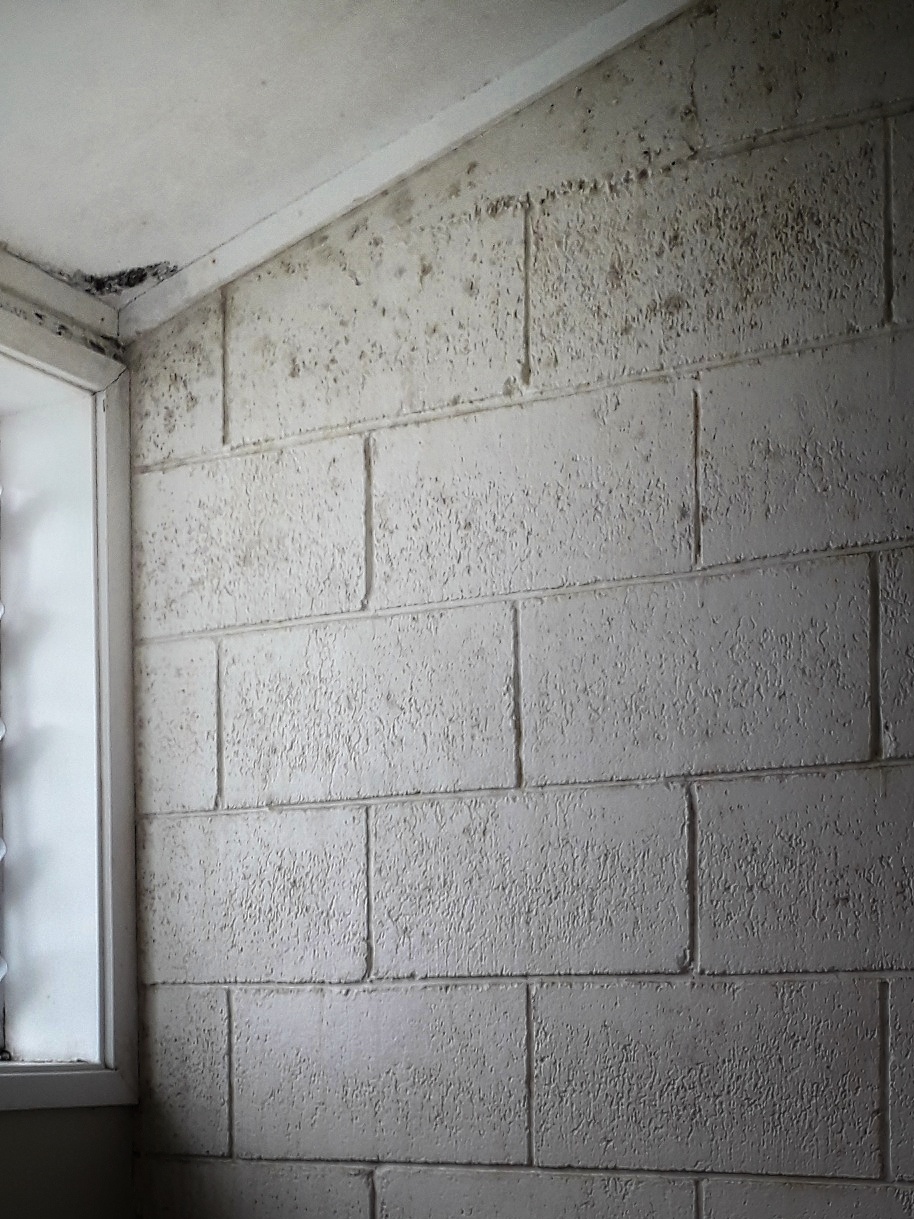
Mould Removal
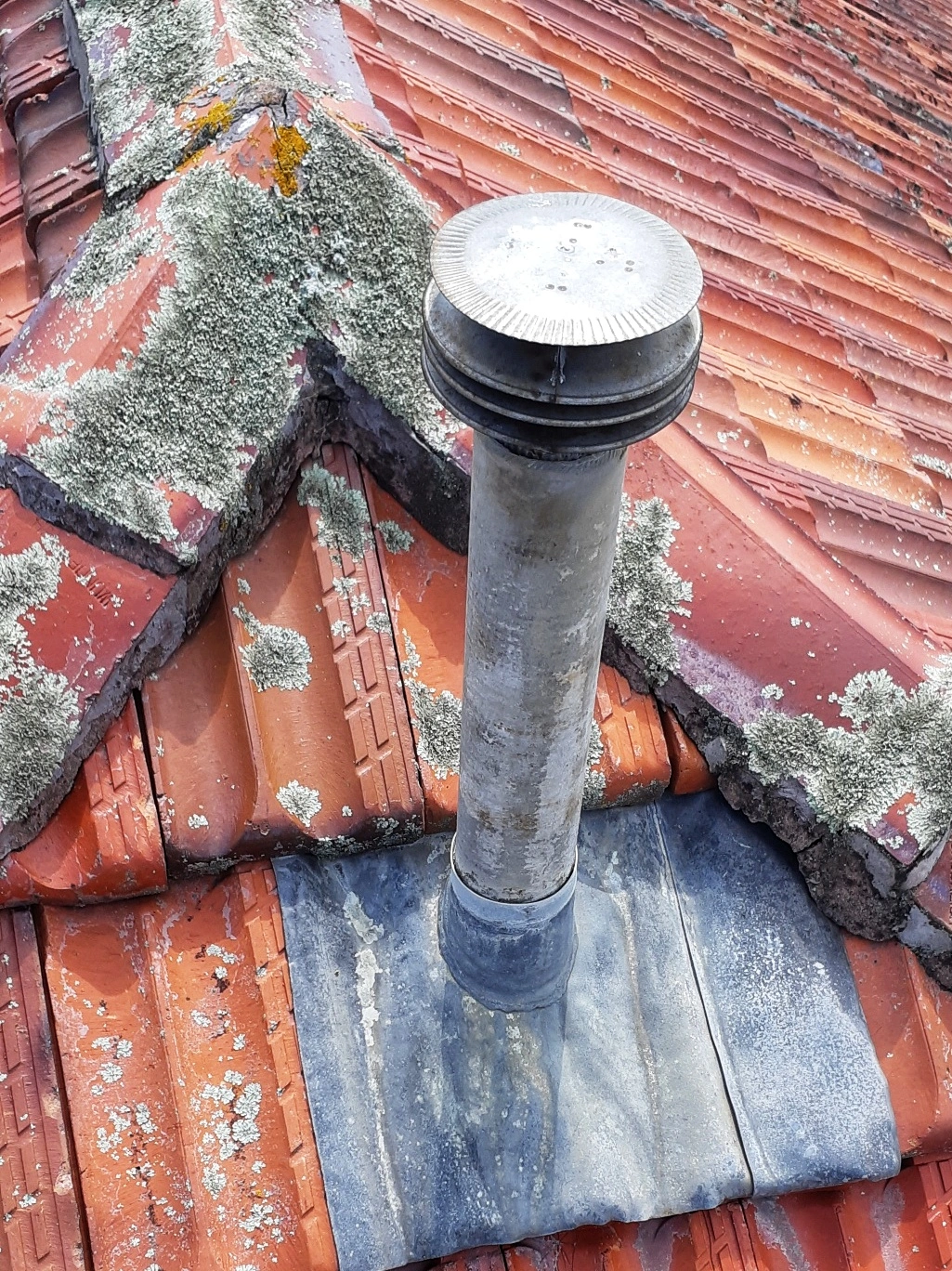
Asbestos Removal
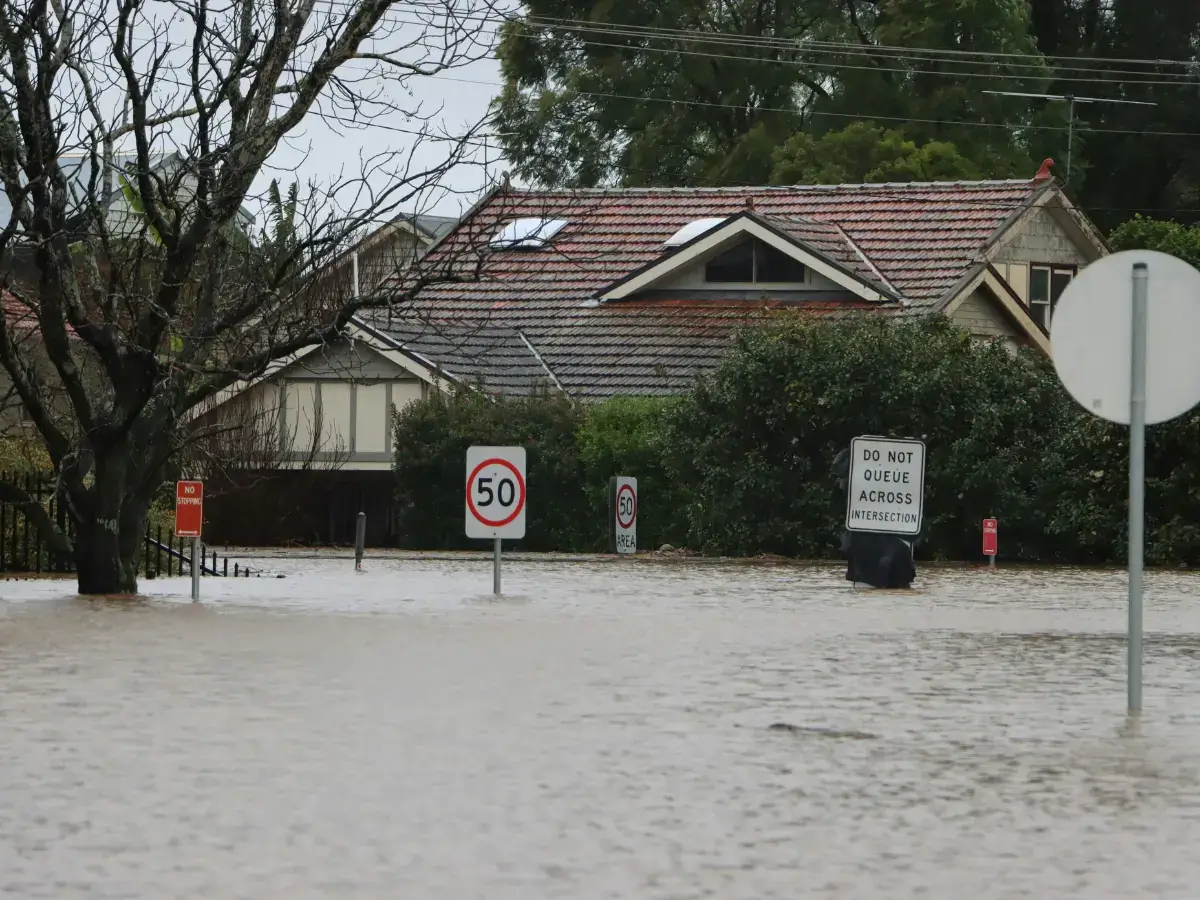
Flood Restoration
Our team is available 24/7 to handle clean-up and restoration from start to finish. IICRC certified, we follow industry best practice.
Serving Auckland and the North Island
CSS is based in Auckland, providing meth and P lab decontamination across Auckland, Northland, Waikato, & Tauranga.
- Auckland
- North Shore
- Waitakere
- Manukau
- Northland
- Waikato
- Tauranga