
Licensed Asbestos Removal Services
Why choose CSS
What to Expect When You Work With Us
Here’s what you get when you reach out to CSS.
⚡ Fast Response-Times
🏅 Fully Certified
💰 Insurance Claims Management
🏠 Residential, Commercial & Public
From a broken soffit at home to large commercial cladding and soil clean-ups, we handle asbestos jobs of every size.
🦠 Independent Lab Testing
🔬 On-site Consultation
How it works
Our Asbestos Removal Process
Asbestos removal is highly regulated, and the process can feel overwhelming. Here’s how we make it straightforward.
Scoping and Analysis
Based on lab reports, photos, and site visits where applicable, we establish a scope of work.
QuoteWe share a clear, itemised quote based on the scope of work from the sampling and lab analysis. No hidden costs, with provisional sums called out if the job uncovers additional ACMs.
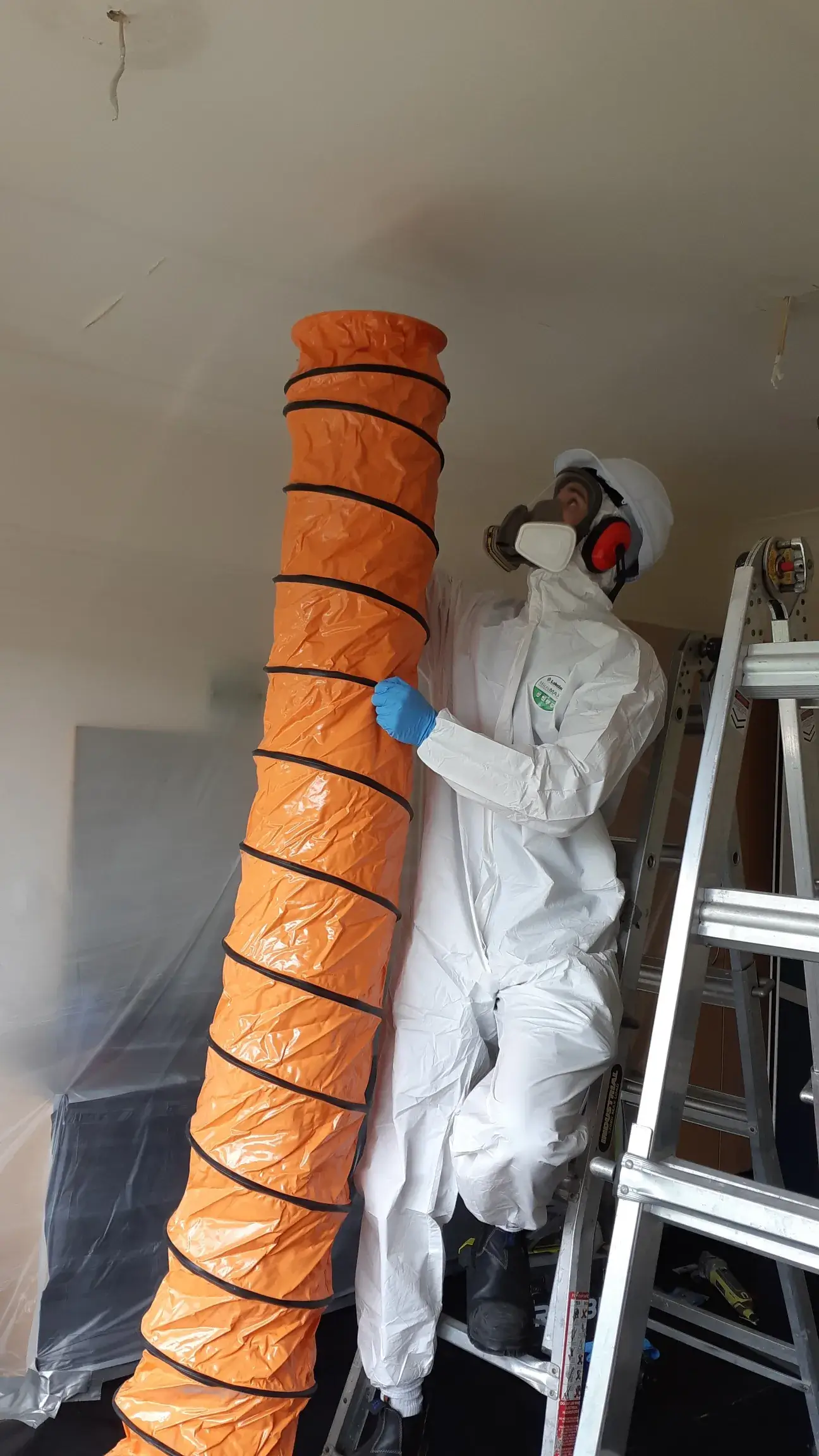
Removal & RestorationOur licensed team isolates the affected area using controlled containment and removes ACMs in line with WorkSafe NZ regulations. Waste is double-bagged, tracked from removal through to disposal at approved facilities.
Clearance and DocumentationOnce removal is complete, we arrange independent air monitoring and clearance to confirm the area is safe to reoccupy. Full compliance documentation is provided for your records, insurer or property manager.
Suspect asbestos in your property?
Call us for an inspection and clear advice on whether removal is required. Call 09 828 1731Submit an EnquiryWhat is Asbestos and Why is it Dangerous?
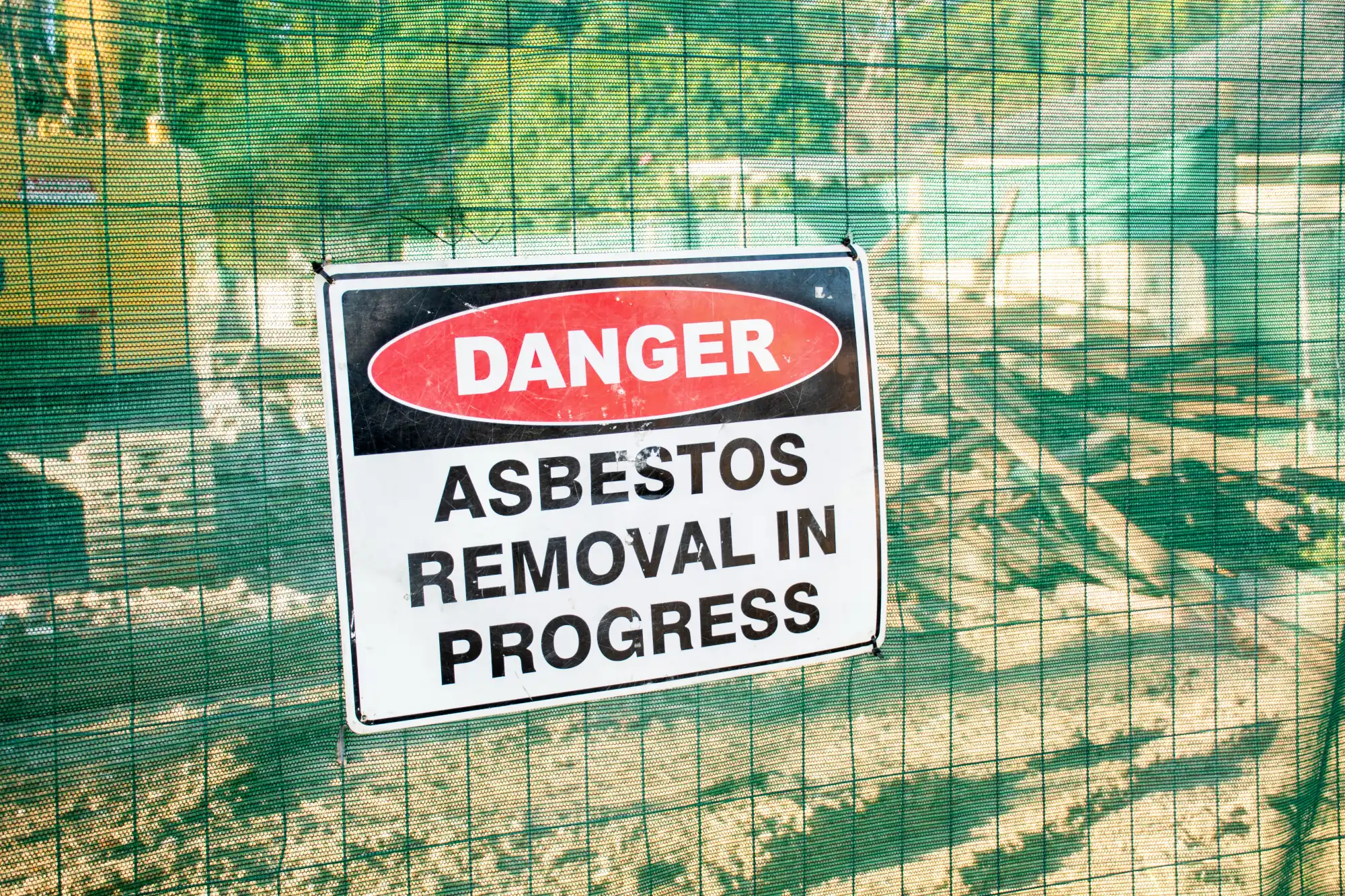
Asbestos is a naturally occurring mineral that was once widely used in New Zealand construction for its fire-resistant and insulating properties. After its health risks were discovered, NZ banned its use, but many older buildings still contain asbestos-containing materials (ACMs) that put occupants and workers at risk during renovation or demolition.
The danger is that asbestos can’t be identified by sight alone. Many ACMs look identical to modern, safe materials, and disturbing them releases microscopic fibres into the air.
Inhaled asbestos fibres can lodge permanently in the lungs and lead to serious illness, including asbestosis and mesothelioma. There’s no safe level of exposure, and symptoms often don’t appear until 20 to 30 years later. Prompt, licensed asbestos removal is the only safe way to manage the risk.
How to Identify Asbestos in Your Property
Start with these two key questions:
- When was your building constructed?
- Has the property been refurbished or had additions made prior to 2000?
If your building was constructed or altered between 1940 and the mid-1980s, there’s a high chance it contains asbestos-containing materials (ACMs). Structures built after 2000 are less likely to contain ACMs, but this can’t be guaranteed without testing. Here’s what to do next:
- Ask to see the building plans
- For a factory or manufacturing facility, review the building’s history and speak to plant suppliers about any ACM components
- Get expert advice before disturbing any suspect materials
- Arrange a visual inspection and IANZ-accredited lab analysis through a licensed asbestos removal company
Our Services
Who We Provide Asbestos Removal For
Residential: We carry out asbestos inspections and licensed removal on homes built or altered between 1940 and the mid-1980s, where ACMs are most likely to be found in ceilings, linings, vinyl flooring and roofing.
Commercial: We remove asbestos from offices, retail premises, factories and warehouses with minimal disruption.
Public & Community Spaces: Schools, community halls, sports facilities and other public buildings need licensed removal to protect occupants. We plan around your timetable, with staged works available where needed.
Government & Council: We have experience working with government departments and local councils across the North Island on licensed asbestos removal, including soil clean-ups and large-scale demolition projects.
Customer Reviews
What Our Customers Say


Common Questions
Asbestos Removal FAQs
Find answers to the most asked questions about asbestos removal in Auckland.
How do I know if my property contains asbestos?
Asbestos can’t be identified by sight, since many ACMs look identical to modern materials. If your building was built or altered between 1940 and the mid-1980s, professional sampling and IANZ lab analysis are the only reliable ways to confirm whether asbestos is present.
What's the difference between Class A and Class B asbestos removal?
Class A covers friable asbestos, which crumbles easily and includes things like popcorn ceilings, pipe lagging, fire-damaged materials and underfloor insulation. Class B covers non-friable asbestos, like cladding and vinyl flooring, where fibres are bonded into the product. CSS is fully licensed for both.
Can I remove asbestos myself?
No. All Class A removal and any Class B work over 10m² must be carried out by a licensed asbestos removalist under the Health and Safety at Work (Asbestos) Regulations 2016. DIY work risks heavy fines and serious long-term health consequences for you and your family.
How long does asbestos removal take?
Do I need an Asbestos Management Plan?
Why choose CSS for licensed asbestos removal?
Licensed, Certified & Accredited
Related Services
We Also Handle
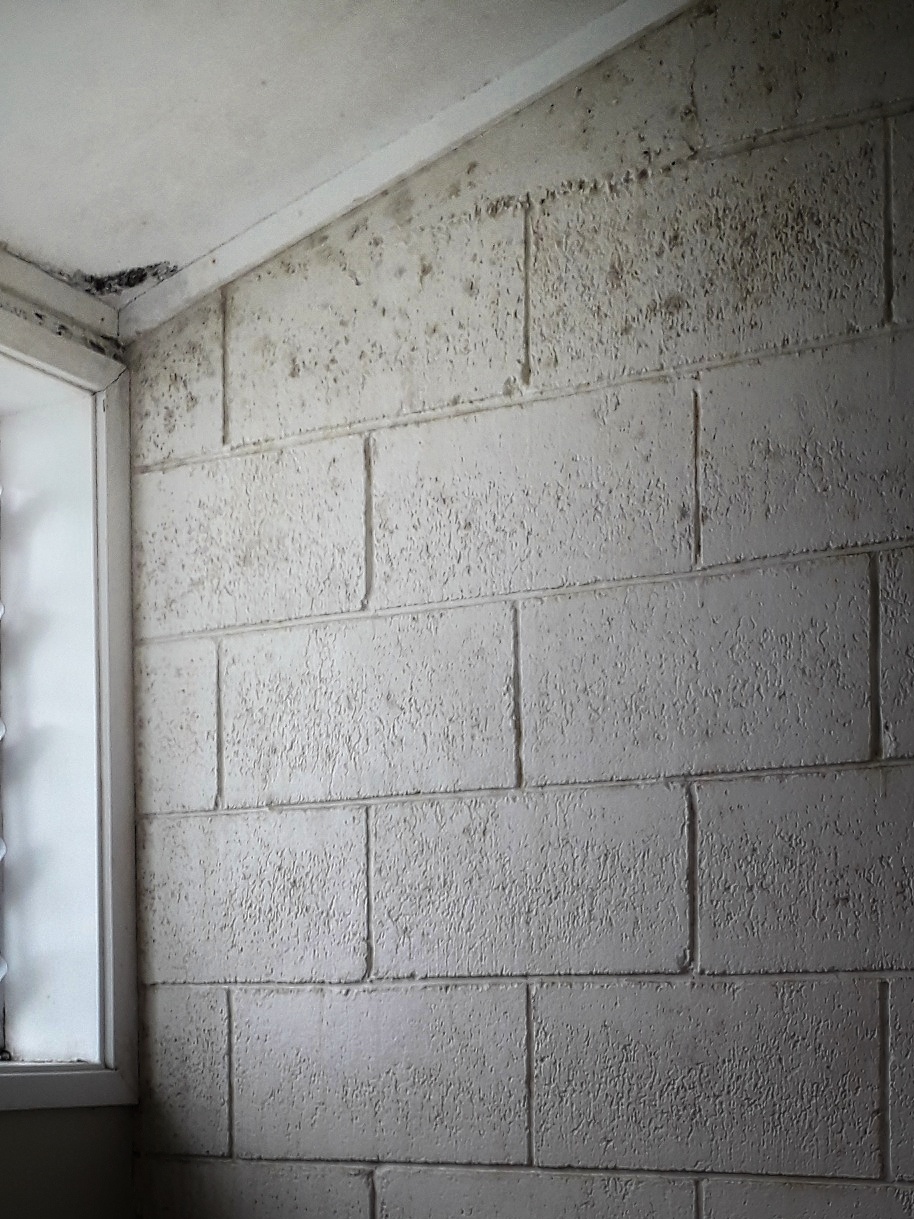
Mould Removal
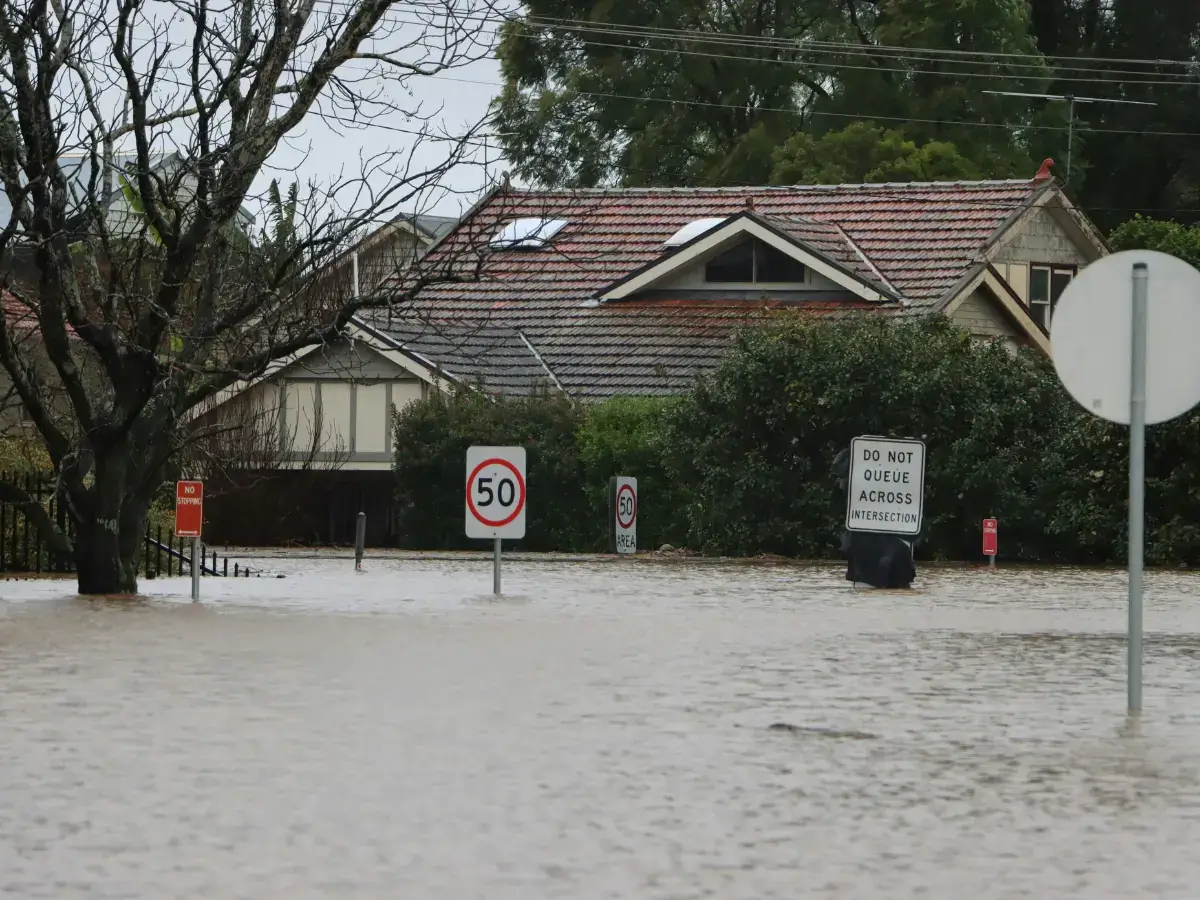
Flood Restoration
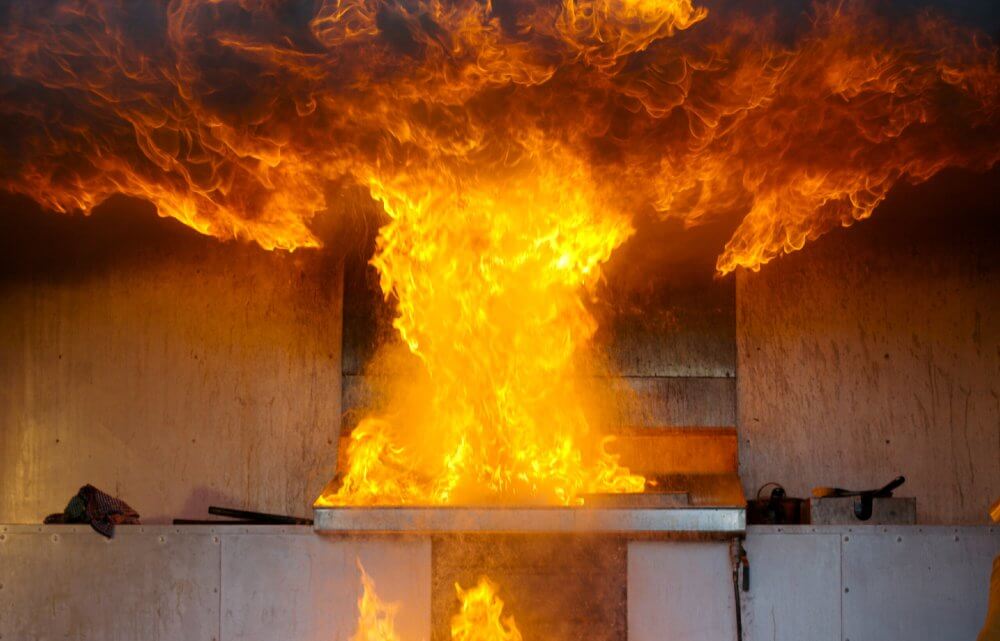
Fire & Smoke Restoration
Serving Auckland and the Surrounding Regions
CSS is based in Auckland, providing licensed asbestos removal across Auckland, Northland, Waikato, & Tauranga.
- Auckland
- North Shore
- Waitakere
- Manukau
- Northland
- Waikato
- Tauranga