
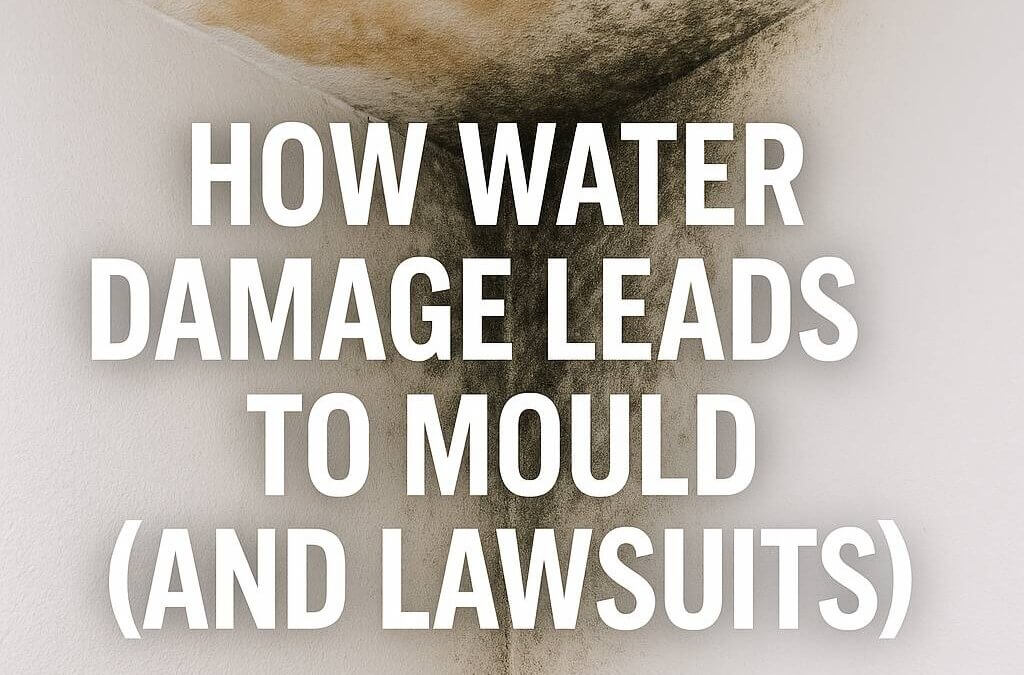
It usually starts with a phone call. A tenant rings to say there’s been a leak in the laundry, or a pipe burst under the sink. You send someone out, mop up the water, patch the drywall, and think the job’s done.
The place looks fine, smells fine, and life goes on.
But then, a few weeks later, the complaints begin. A musty smell. A tenant’s asthma flaring up. Dark patches creeping along the wall. What looked like a quick fix has now turned into something far bigger.
When water damage isn’t treated thoroughly, mould follows. And when mould shows up, so do failed inspections, complaints, and sometimes legal action. Here’s why:
Water is just the start
Surface clean-ups rarely solve the problem. Moisture can remain behind walls, under floors, and inside insulation — all perfect conditions for mould to grow, quietly and out of sight.
Mould grows faster than you think
It doesn’t take a major flood. Even a slow drip under a sink or poor ventilation in a laundry can spark mould growth. Once it starts, it spreads quickly, releasing spores into the air your tenants breathe.
Health risks become liability risks
Tenants have the right to live in a healthy, hazard-free home. If untreated mould makes them sick — and especially if it stems from previously reported water damage — landlords and property managers can be held accountable.
Don’t let a small leak become a major liability
Partnering with a licensed remediation team like Contaminated Site Solutions ensures any damage is properly identified, documented, and resolved. That’s peace of mind for you — and a healthier home for your tenants.
📞 Call us today at 09 828 1731 or book a hazard assessment at www.css.co.nz