
Many people believe asbestos is no longer a concern in New Zealand. The reality is very different. Asbestos remains present in thousands of homes, schools, and commercial buildings, particularly those built or renovated before the late 1980s. The greatest danger comes from exposure that occurs without warning.
Asbestos becomes a serious risk when materials containing it are disturbed. Drilling, sanding, cutting, breaking, or renovating can release microscopic asbestos fibres into the air. These fibres cannot be seen or smelled, which makes exposure difficult to detect without professional testing.
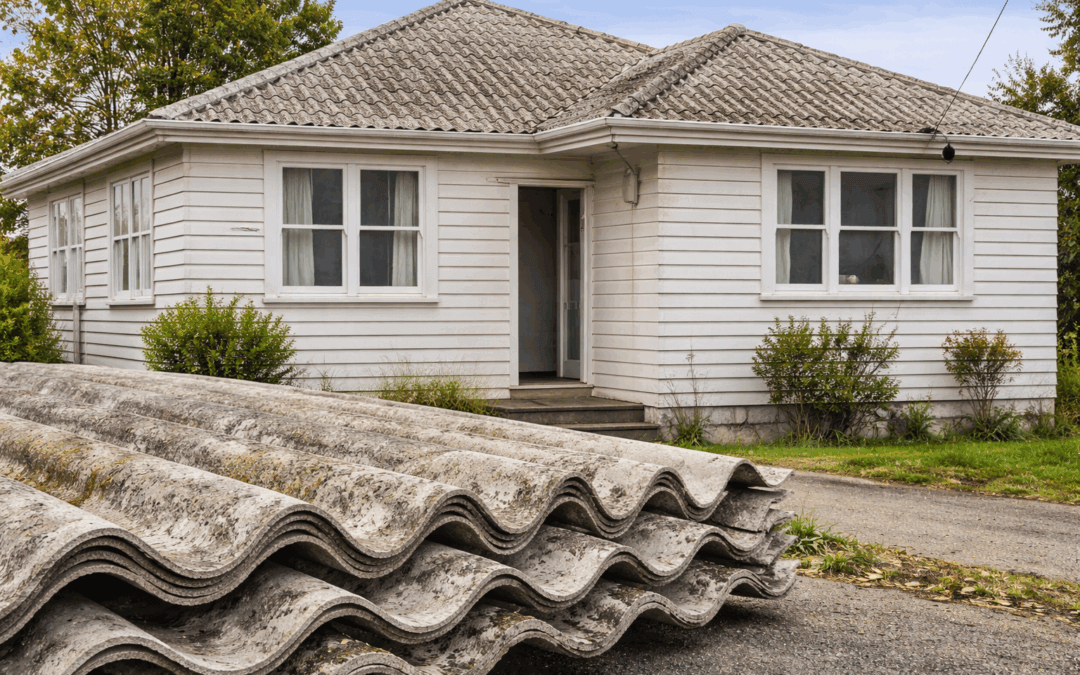
Common materials that may contain asbestos include ceiling linings, wall linings, textured coatings, vinyl flooring, roofing sheets, insulation, and exterior cladding. In some cases, asbestos has also been found in soil, fill, and imported building products. Once airborne, fibres can travel throughout a property and remain suspended for long periods of time.
TL;DR
Asbestos is still a real risk in many New Zealand homes and buildings, especially those built or renovated before the late 1980s. Disturbing asbestos materials during renovations can release invisible fibres that cause serious long-term health issues. DIY work is a common trigger. If asbestos is suspected, testing and licensed asbestos removal are essential.
The long-term health risks
Inhalation of asbestos fibres is linked to serious long-term health conditions, including asbestosis, lung cancer, and mesothelioma. These diseases often take decades to develop, which means exposure today may not result in illness until many years later. All age groups are vulnerable due to the toxic nature of asbestos fibres.
If asbestos is identified or suspected, prompt action is critical. Learn more about CSS’s asbestos removal services here: https://cssnz.co.nz/asbestos-removal-auckland/
DIY renovations are a common risk
DIY renovations are one of the most common causes of accidental asbestos exposure. Homeowners often assume materials are safe and begin work without testing. By the time asbestos is suspected, fibres may already have spread through living spaces, furnishings, and ventilation systems.
Surface cleaning does not remove asbestos contamination. Once fibres are released, professional decontamination is required to ensure an area is safe to occupy. This is why asbestos removal must be handled by licensed professionals using controlled containment and specialist equipment.
How CSS helps keep properties safe
CSS provides certified asbestos removal and decontamination services across Auckland. Our team accurately identifies asbestos risks and removes contaminated materials in line with strict health and safety regulations and your independent test results.
We ensure properties are restored to a safe, liveable condition and provide documentation to confirm compliance. This work often forms part of broader property safety and Healthy Homes compliance support for landlords and property managers.
If you are unsure whether asbestos may be present in your home or building, guessing is not safe. Early testing and professional assessment reduce health risks and help prevent further contamination.
Book certified asbestos removal with CSS today:
https://cssnz.co.nz/contact-us/