
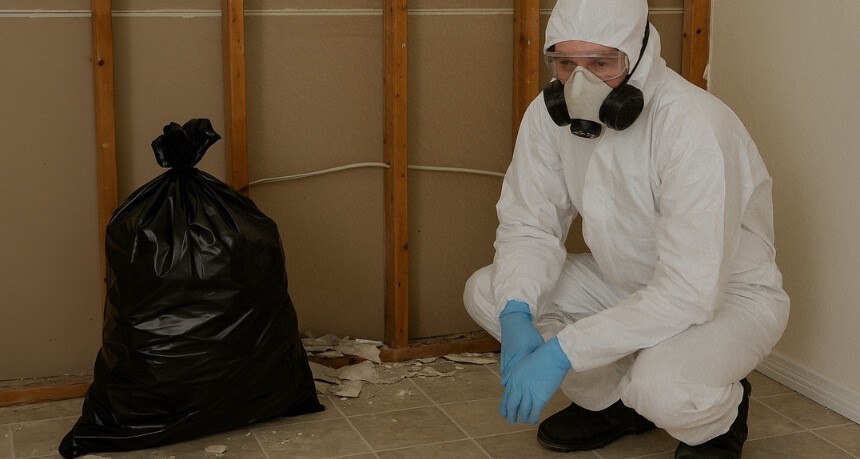
Renovating a home should be exciting. Fresh paint, new flooring, or an updated kitchen can completely transform how a house feels. But if your property was built before the 2000s, there may be a deadly risk hiding in the walls, ceilings, and floors. That risk is asbestos.
Asbestos exposure during home renovations can be avoided with the right precautions, and knowing when to bring in a contamination specialist is one of them. Let’s learn how.
Before You Start: Asbestos Precautions for Home Renovation
If your home was built before the 2000s, taking a few minor precautions before any renovation work begins can significantly reduce the risk of asbestos exposure. Before you pick up the tools and plan your renovation, we recommend you:
- Research when your home was built: If it pre-dates the 2000s, assume asbestos-containing materials may be present until proven otherwise.
- Avoid disturbing any suspected materials: Avoid drilling, sanding, cutting or scraping surfaces until they have been tested.
- Test for asbestos: a licensed asbestos assessor will identify any ACMs and advise on the safest way to proceed
- Share the survey results with your tradesperson or builder: If you plan on using contractors to assist with your renovation, communicate the asbestos survey results before work begins, as they are legally required to manage asbestos risks on site
- Never skip testing to save time or money: The cost of asbestos testing is a fraction of what full remediation or legal liability can amount to.
- Asbestos removalists must be qualified: Builders and tradespeople should not remove asbestos. Under the Health and Safety at Work (Asbestos) Regulations 2016, most asbestos removal must be carried out by a licensed asbestos removalist.
Why Asbestos Is So Dangerous
Once called a “miracle material,” asbestos was strong, affordable, and fire-resistant. It was used widely in roofing, cladding, insulation, textured ceilings, flooring, and even adhesives. The problem is that asbestos fibres are microscopic. When disturbed, they float through the air and can be inhaled deep into the lungs. Once inside, they never leave.
The Health Consequences
Exposure to asbestos is linked to lung cancer, mesothelioma, and asbestosis. These diseases can take decades to appear, which is why the risk is often underestimated. The damage is done long before symptoms start. A single weekend of DIY drilling, sanding, or demolition can release thousands of fibres into your living spaces—exposing your entire family without you even realising it.
Mesothelioma is a cancer of the lining of the lungs and chest wall with no cure. Asbestosis causes progressive and permanent scarring of the lung tissue, making it increasingly difficult to breathe over time. Both conditions, along with asbestos-related lung cancer, are fatal in the majority of cases. In New Zealand, asbestos-related diseases claim around 220 lives every year according to WorkSafe NZ, making it the country’s leading cause of work-related death.
DIY Removal Is Never Safe
DIY asbestos removal isn’t just unsafe—it’s often illegal. Licensed asbestos removal is required because proper handling involves sealed containment areas, full protective gear, and specialised disposal. Without these controls, asbestos spreads quickly, contaminating clothing, tools, and neighbouring rooms. What begins as a small job can turn into a full-house contamination.
Under the Health and Safety at Work (Asbestos) Regulations 2016, Class A asbestos removal must be carried out by a licensed removalist. Homeowners who attempt unlicensed removal can face significant fines, and may be held legally liable if anyone in the property, including future owners or tenants, later develops an asbestos-related illness. Unlicensed removal also voids any clearance certificate, meaning the property cannot be verified as safe.
The jobs most likely to go wrong are the ones that seem most straightforward. Pulling up vinyl flooring, sanding back a textured ceiling before a repainting project, cutting into a wall to run new cabling, or removing old piping during a bathroom renovation. These types of common DIY tasks can disturb asbestos without any obvious warning signs.
What to Do If You Suspect Asbestos During a Renovation
Asbestos exposure during home renovation is preventable with the right precautions. If you have already started work and you suspect that a material may contain asbestos, follow these steps:
- Stop work immediately: Keep everyone, including pets, out of the affected area as soon as possible.
- Do not clean up: Leave dust or debris; exiting the environment is more important than attempting any removal.
- Avoid using fans or ventilation: These could spread fibres further through the home or leave them trapped in the ventilation.
- Contact a licensed asbestos assessor: Before restarting any work, reach out to licensed professionals who can take samples for lab testing and confirm whether asbestos is present. If asbestos is confirmed, CSS can decontaminate your home and remove asbestos.
FAQs
While testing is not technically a legal requirement for homeowners, the Health and Safety at Work (Asbestos) Regulations 2016 require that asbestos risks are identified and managed before any work begins. Getting a professional assessment before renovating a home built prior to 2000 is the safest and most legally sound approach.
Asbestos exposure during home renovation can release microscopic fibres into the air that, once inhaled, lodge permanently in the lungs and may cause mesothelioma, asbestosis or lung cancer. These diseases can take decades to develop, meaning the consequences of a single renovation project may not become apparent until long after the work is done.
Asbestos removal is only necessary if asbestos is detected in a professional assessment. If an inspection confirms no asbestos is present, renovation can proceed as normal. If asbestos-containing materials are identified, a licensed Class A or Class B removalist must carry out removal before any further work can safely continue.
Protect Your Family and Property from Asbestos During Renovations
Renovations should add value, not risk. The cost of testing is small compared to the financial and health consequences of getting it wrong.
If you’re planning renovations or suspect asbestos in your home, have your property assessed before you start. If asbestos is confirmed, book your professional asbestos removal with CSS and protect your family, your property, and your peace of mind.