
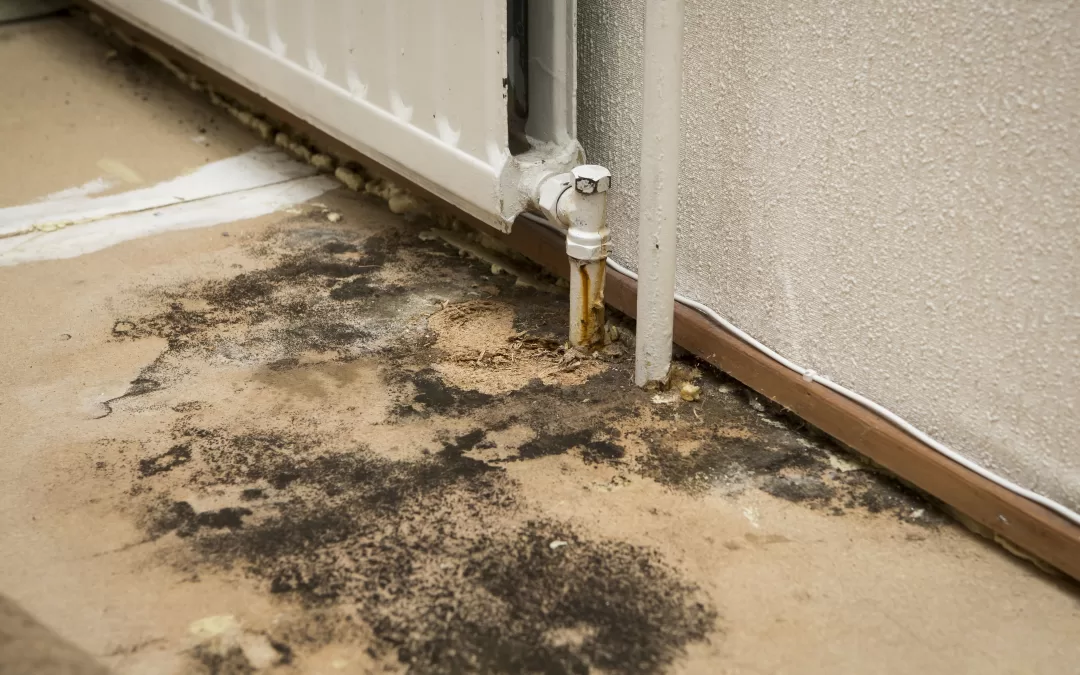
Mould is a common issue for many property managers in Auckland, requiring specialised services and expert techniques. In this ultimate guide to mould cleaning services, we will explore the best practices and tips to help you restore your property to its former glory.
Understanding the Hazards of Mould
Mould growth not only affects the aesthetics of your property but also poses serious health risks to occupants.
Exposure to mould spores can lead to:
- respiratory issues
- allergies
- and other health concerns.
Therefore, prompt and professional mould cleaning is essential to safeguard the well-being of individuals within the property. It is crucial to rely on the professional mould removal services with appropriate antimicrobial qualifications.
CSS Provide Practical Techniques for Mould Cleaning
CSS’s professional mould cleaning services in Auckland employ various techniques to tackle mould growth effectively:
- Thorough site inspections
- Use of antimicrobial solutions
- Advanced technologies such as air scrubbers to capture airborne spores preventing expensive cross-contamination, containing and limiting spread.
Our experts leave no stone unturned in ensuring a mould-free environment.
CSS’s Safety Measures and Protocols
Mould cleaning is not just about eliminating visible mould but also about ensuring the safety and efficacy of the cleaning process. CSS’s professional mould removal services adhere to:
- Strict safety protocols using personal protective equipment (PPE)
- Proper waste disposal procedures
- Post-cleaning treatments to prevent mould spore migration.
Preventative Maintenance Tips
Once the mould cleaning process is complete, it is essential to implement preventative measures to avoid future mould growth. Property managers can benefit from CSS’s expert advice on maintaining proper ventilation, controlling humidity levels, and addressing water leaks promptly to prevent mould recurrence.
As we always remind our customers, when it comes to mould, “prevention is key, and timely action can help avoid costly remediation in the future“.