
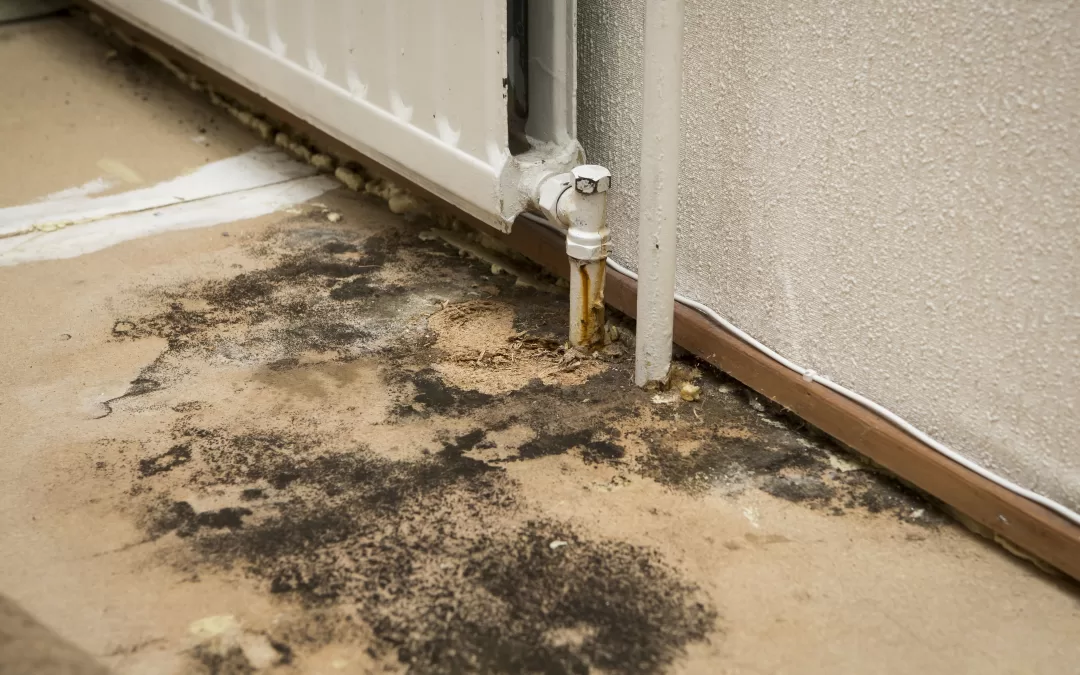
Mould is a common problem for New Zealand property owners and managers. More than an unsightly nuisance, mould can pose health risks and may signal underlying building issues such as leaks, water ingress, poor ventilation, failed waterproofing or excess moisture.
If left unresolved, ongoing moisture can damage building materials and contribute to more serious structural problems over time. Whether you’ve spotted mould on a bathroom ceiling, noticed a musty smell or are dealing with recurring growth, it’s important to address both the mould and its source.
Read on for mould solutions from our mould cleaning experts and why DIY isn’t always the best option for mould removal.
Where Mould Commonly Grows in Kiwi Homes
The first step to proper mould prevention is identifying hotspots for mould growth in the average Kiwi house. Damp winters and older housing make mould a concern in winter, especially in New Zealand due to its wet and humid climate. There are some areas our team most commonly carry out mould removal.
Bathrooms and laundry areas
Showers and baths generate large amounts of moisture. Without adequate ventilation, that moisture settles on walls, ceilings and grout lines, and mould can take hold within days.
Window sills and frames
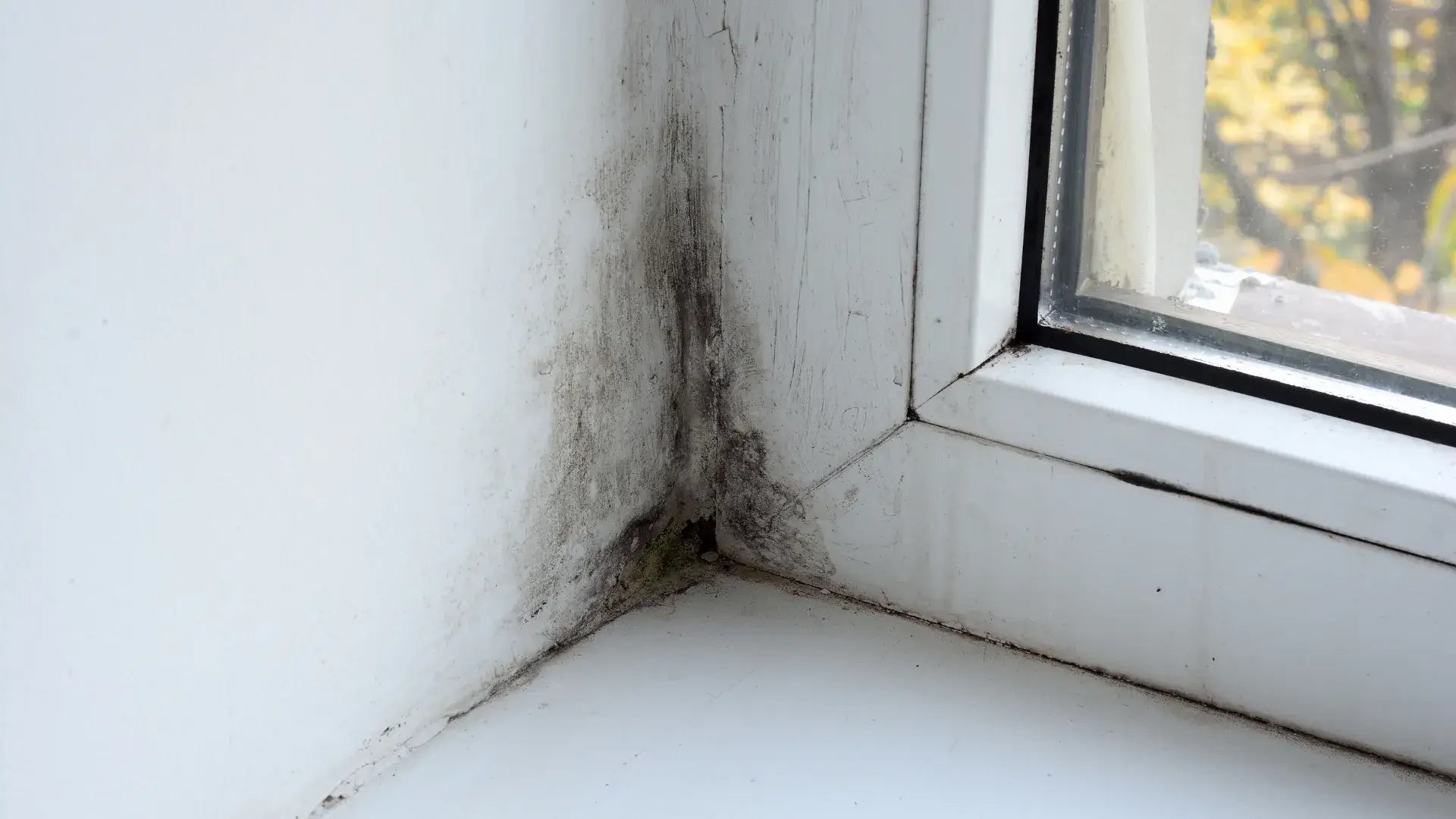
Condensation on single-glazed windows is one of the most common contributors to mould in New Zealand bedrooms. Water runs down the glass overnight and pools on the sill, creating a persistent damp patch that’s difficult to dry out naturally.
Wardrobes and behind furniture
Cold exterior walls behind wardrobes or large pieces of furniture often sit below the dew point, causing moisture to condense on the surface. Because air can’t circulate, mould establishes itself out of sight and can go undetected for months.
Kitchens
Steam from cooking raises humidity quickly, particularly in kitchens without a rangehood or with one that vents internally rather than outside. Proper mould prevention includes every room of the home, including the kitchen.
Subflooring and roof spaces
Ground moisture and poor subfloor ventilation are major causes of mould in older New Zealand homes. By the time it becomes visible inside, the growth underneath is often already extensive.
Understanding the Hazards of Mould
Mould growth not only affects the aesthetics of your property but also poses serious health risks to occupants.
Exposure to mould spores can lead to:
- respiratory issues
- allergies
- other health issues
The health effects of mould exposure are not limited to people with pre-existing conditions. Healthy adults can experience symptoms after prolonged exposure, and children, the elderly, and anyone with a respiratory condition or compromised immune system are at significantly higher risk. Mould also produces mycotoxins. These are compounds released by certain species that can cause more serious harm than the spores alone. This is why visible surface mould should never be assumed to represent the full extent of the problem.
Therefore, prompt and professional mould cleaning is essential to safeguard the well-being of individuals within the property. It is crucial to rely on professional mould removal services with appropriate antimicrobial qualifications.
CSS Provide Practical Techniques for Mould Cleaning and Prevention
CSS’s professional mould cleaning services in Auckland employ various techniques to tackle mould growth effectively:
- Thorough site inspections
- Use of antimicrobial solutions
- Advanced technologies such as air scrubbers to capture airborne spores, preventing expensive cross-contamination, containing and limiting spread.
What sets professional mould removal apart from a DIY clean is containment. Disturbing mould without the right equipment releases spores into the air, which can then settle in areas of the home that were previously unaffected. CSS uses negative-pressure containment and HEPA-filtered air scrubbers to prevent cross-contamination during the removal process, the same standard required in commercial and healthcare settings.
Our mould removal experts leave no stone unturned in ensuring a mould-free environment.
CSS’s Safety Measures and Protocols
Mould cleaning is not just about eliminating visible mould but also about ensuring the safety and efficacy of the cleaning process. CSS’s professional mould removal services:
- Establish the mould levels
- Adhere to strict safety protocols and use personal protective equipment (PPE)
- Execute proper waste disposal procedures
- Reduce mould levels to safe environmental range
Independent clearance testing is the final step CSS recommends before a treated area is returned to normal use. This involves air sampling by a third-party assessor to confirm that spore levels are within safe limits. It’s the same process used after asbestos removal, and it provides homeowners with documented evidence that the work has been completed to the required standard. If you’re selling a property, that’s the type of extra reassurance that can seal the deal.
Preventative Maintenance Tips
Once the mould cleaning process is complete, it is essential to implement preventative measures to avoid future mould growth. Homeowners and property managers can benefit from CSS’s expert advice on maintaining proper ventilation, controlling humidity levels, and addressing water leaks promptly to prevent mould recurrence.
Control humidity levels: Relative humidity above 60 per cent creates ideal conditions for mould. A basic hygrometer from any hardware store lets you monitor humidity room by room. If certain areas consistently run high, a dehumidifier will help.
Ventilate consistently: Run the bathroom fan during every shower and for at least 20 minutes afterwards. Use the rangehood when cooking. On dry days, open windows to flush humid air out of the house. These habits reduce the moisture load in the air before it has a chance to settle on surfaces.
Wipe down condensation: Morning condensation on windows and cold walls should be wiped with a dry cloth rather than left to evaporate. Sleeping with bedroom doors slightly open increases the air volume in the room, which helps keep overnight humidity lower.
Address leaks immediately: Mould can establish on a wet surface within 24 to 48 hours. A slow drip from a roof, pipe or window seal is enough. Don’t schedule repairs for next weekend. Get onto it as soon as you notice it.
When DIY Isn’t Enough
Small, surface-level patches of mould on tiles or painted walls can often be wiped back with a diluted detergent solution and a cloth. Always wear gloves, eye protection and a P2 or N95 face mask when doing so, and keep up ventilation in the room while you work. But DIY has clear limits. Call in a professional if any of the following apply:
- The mould returns within a few weeks of cleaning
- The affected area is larger than roughly one square metre
- Someone in your household has a respiratory condition, allergies, or is immunocompromised
- The property has experienced flood damage that might not have been fully dried out
Hidden mould is the real risk. By the time a patch appears on a wall surface, the growth inside the cavity behind it may already be substantial. A professional assessment identifies what can’t be seen, not just what can.
Professional Mould Prevention by Experts
If you’ve spotted mould in your home, noticed it returning after cleaning, or simply want peace of mind before a renovation or sale, CSS is here to help. Our team carries out thorough assessments, safe and fully contained removal, so you know the job has been done properly.
Get in touch with CSS today for a free quote within the Greater Auckland region.