
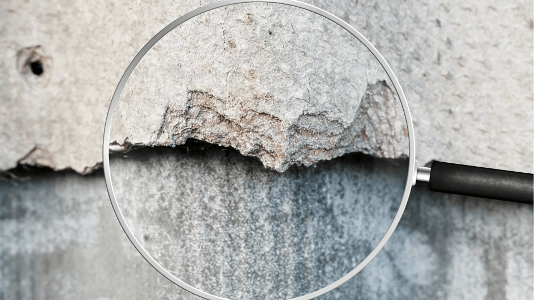
Asbestos-containing materials (ACMs) in ceilings, walls and underfloor insulation can degrade over the decades, releasing microscopic fibres into the air you and your children inhale. In New Zealand, homes built before 1990 used ACMs extensively across a wide range of applications. They were an affordable option and widely adopted for their durability, which is why they are still present in many Kiwi homes today.
The asbestos fibres are invisible to the naked eye and have no smell, which means exposure can happen without any warning. Here’s an easy checklist on where asbestos is found and why Contaminated Site Solution’s asbestos removal in Auckland and its surrounding regions is essential if you notice one or more of the signs.
Where Asbestos is Commonly Found in Kiwi Homes
These are the places our licensed technicians typically find asbestos. We recommend not actively searching for asbestos in your home. Use this checklist to take precautions before committing to any renovations or home maintenance work.
Crumbling Plaster & Textured Ceilings
Old “popcorn” ceilings and deteriorating plaster can signal asbestos in the mix. As the compound ages, it becomes brittle, allowing tiny fibres to escape whenever you drill, sand or even bump the surface. If you’re not sure, professional testing is the best way of confirming whether asbestos is present or not.
Disturbed Heat & Pipe Insulation
In winter, heating and plumbing work are common. If pipe lagging or boiler wraps look frayed or dusty, leave it to the experts, as disturbing old insulation is one of the quickest ways to contaminate your home. Asbestos rope, blanket insulation and board were commonly used to insulate hot water cylinders, pipework and meter boxes. These are easy to overlook because they sit behind cupboard doors or in utility spaces.
Hidden Vinyl Floor Tiles
Vintage vinyl floor tiles and their backing adhesives often contain asbestos. Pulling up lino without professional guidance can fling fibres across living spaces, potentially triggering health issues for family members or pets.
Corrugated Roofing & Eaves
Fibrous cement roofing, also known as “super six”, and eaves lining were standard on New Zealand homes built before 1990. Weathering and moss can cause the surface to break down over time, releasing fibres during any roofing work or demolition. If you’re re-roofing or replacing eaves, always get the material tested before touching it.
Textured Wall Coatings & Wall Linings
Stippled or textured wall finishes and some older fibrous plaster linings can contain asbestos, just like ceilings. Sanding these back or patching over them during a repaint or renovation is enough to disturb the material and put fibres into the air. A licensed asbestos removalist should inspect any textured wall coating in a pre-1990 home and take samples for testing before work begins.
Backed Carpet & Bitumen Underlay
Some older carpet underlays and bitumen-backed floor coverings contain asbestos fibres bound into the material. Like vinyl floor tiles, they can appear completely intact while still posing a risk the moment they are lifted or cut. This makes professional assessment just as important for flooring removal as it is for any other ACM in the home.
Why DIY Isn’t Worth the Risk
Neither asbestos removal nor detection is your typical weekend job. Without the right equipment and training, disturbing ACMs can spread fibres through your entire home in minutes. Remediating contaminated surfaces and ventilation systems is costly and creates avoidable health risks.
Home removal kits sold online give a false sense of security. They lack the negative-pressure containment, HEPA filtration and hazardous waste disposal requirements that professional asbestos removal demands. Worse, using them leaves you liable if anyone in the property later develops an asbestos-related illness, which includes future owners or tenants.
Under New Zealand law, Class A asbestos removal must be carried out by a licensed asbestos removalist. This covers the materials most commonly found in older homes: textured and popcorn ceilings, pipe lagging, floor vinyl, wall linings and fibrous cement sheeting. Unlicensed operators cannot legally carry out this work, and any removal they perform is non-compliant regardless of how careful they claim to be.
The cost of asbestos removal may seem like a barrier upfront, but it is a fraction of what remediation, legal liability or long-term medical costs can amount to. A licensed Class A and Class B removalist like CSS brings not just the tools, but the containment protocols and certified disposal that protect your family and your property value. If you suspect ACMs anywhere in your home, the only safe first step is a professional assessment.
How CSS Keeps You Safe from Asbestos
When it comes to asbestos removal, CSS follows a no-shortcuts approach:
- In-depth Quote: Our quotes provide a detailed scope of work based on sampling and lab analysis.
- Sealed Containment: Negative-pressure units for on-site safety.
- Licensed Removal & Disposal: Our Class A and Class B technicians remove ACMs, bag them to hazardous-waste standards, and transport them to approved facilities.
- Air Monitoring & Clearance: Final clearance tests by an independent assessor ensure your home is fibre-free before we pack down.
Act Early with Professional Asbestos Removal
Asbestos-related illnesses can take decades to develop, which means the decisions you make during a renovation or routine maintenance job today can have consequences long into the future. The good news is that with the right professionals on your side, the risk is entirely manageable.
Whether you have spotted a warning sign from the checklist above or are simply planning work on a pre-1990 home, the safest approach is always to get a professional assessment before any work begins. CSS operates across Auckland and the surrounding regions, with licensed Class A and Class B technicians ready to test, contain and remove ACMs safely and in full compliance with New Zealand law.
Don’t let winter renovations turn hazardous. If you notice any of the signs of asbestos, reach out to us ASAP at cssnz.co.nz or call 09 828 1731.